#f6f #f6f_5 #f6f5 #f6fhellcat #hellcat #f6f_hellcat #historical
#f6f #f6f_5 #f6f5 #f6fhellcat #hellcat #f6f_hellcat #historical
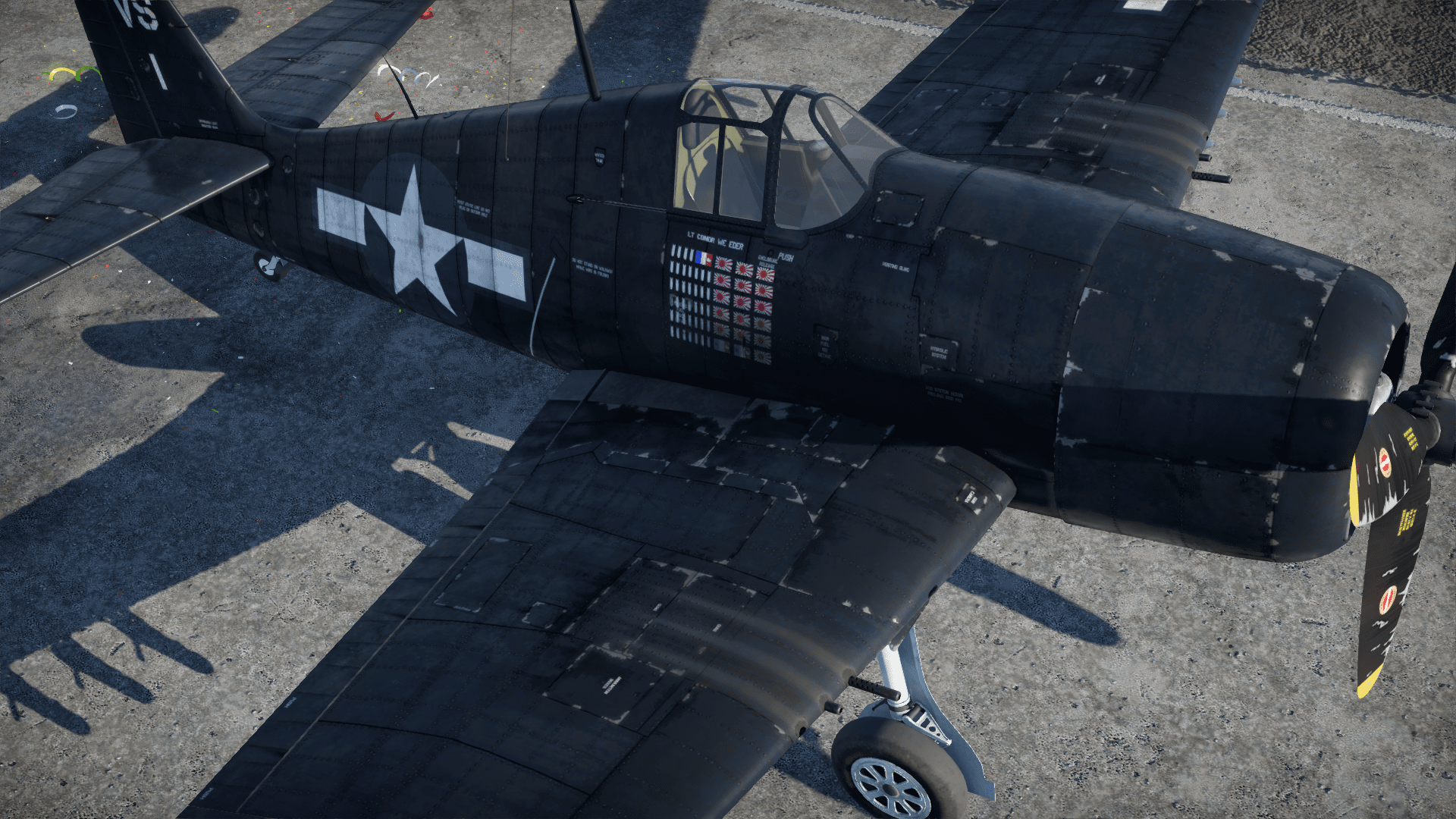
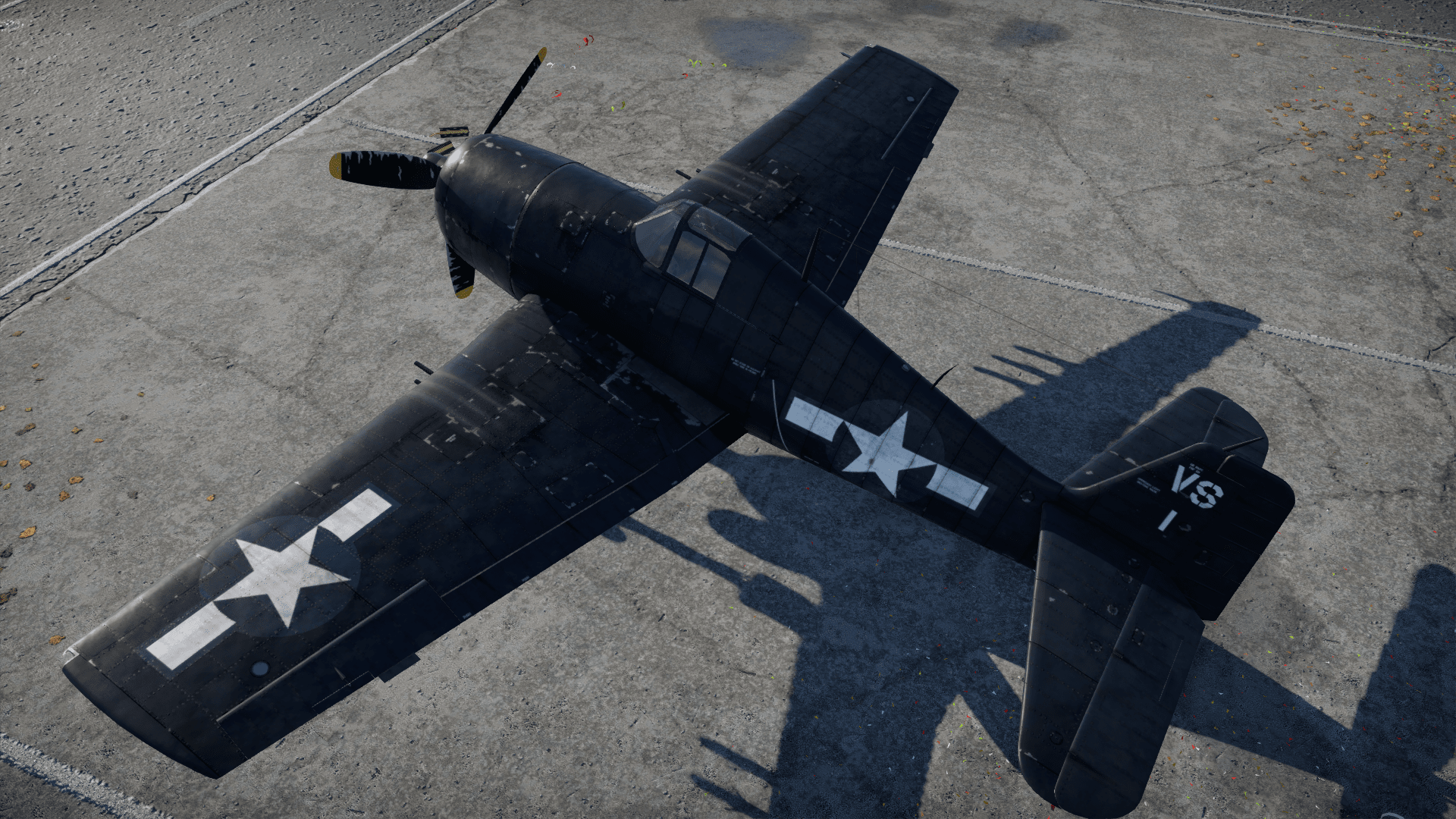
Skin for F6F-5. damage skin included
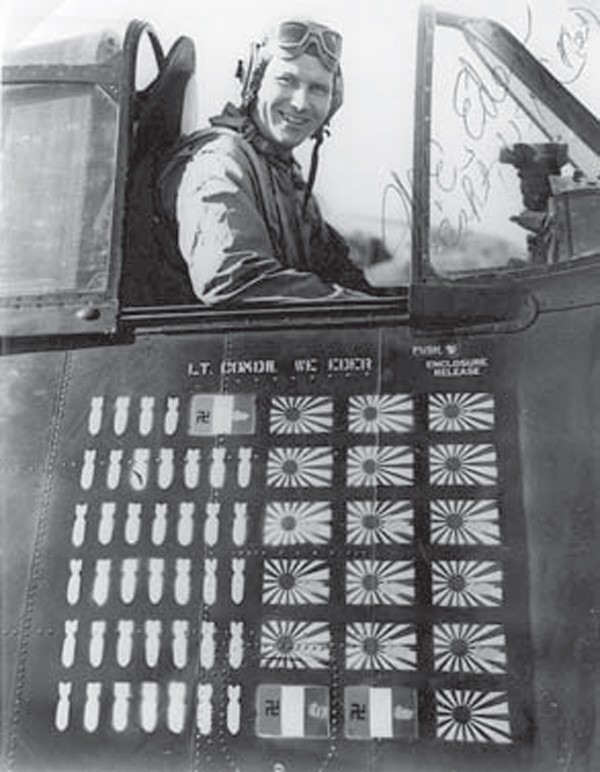
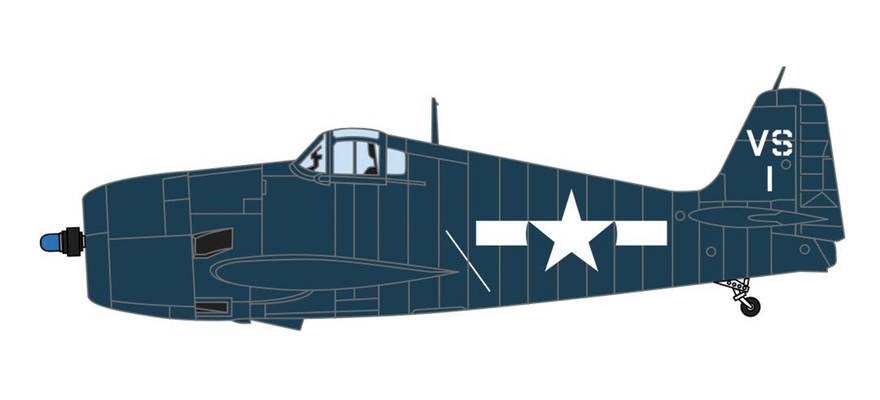
F6F-5 Hellcat VS1 flown by Lt Cdr William E. Eder of the 'Victory Squadron', 1945
“’Bill’ was born on a ranch near Buffalo, Wyoming. He graduated from the University of Wyoming in 1938.”
William Eder entered naval flight training and "got his wings" at Pensacola, FL in April 1940. Immediately he was assigned to a fleet fighter squadron. From May 1940 until January 1942 he was a member of Fighting Squadron 3 on the Saratoga and Enterprise, then assigned on board the Lexington. While a member of this squadron, he received the Distinguished Flying Cross for his part in the battle of Bougainville.
Eder was a part of strikes on Lae and Salamaua. During April and May of 1942, as a member of Fighting Squadron 2, he participated in one of the key points of the Pacific - The Battle of the Coral Sea. For that William Eder received the Navy Cross.
In August 1942 he was transferred to Atlantic duty with Fighting Squadron 29.
He was awarded the Silver Star for his part in the squadron's support of the occupation of French Morocco.
he ‘made ace’ in March 1945 whilst leading VF-29 – the swastika-adorned French tricolour flags in his scoreboard denote strafing victories he claimed with VGF-29 during Operation Torch (the invasion of French North Africa) in November 1942 (US Navy).
Lieutenant Commander "Bill" William Eder, Junior died on January 8, 2009 in Coronado, California.
Citation:
The President of the United States takes pleasure in presenting the Navy Cross to Willard Ernest Eder, Jr., Lieutenant, Junior Grade, U.S. Navy (Reserve), for extraordinary heroism in operations against the enemy while serving as Pilot of a carrier-based Navy Fighter Plane ... embarked from the U.S.S. LEXINGTON in action against enemy Japanese forces on 7 and 8 May 1942, in the Air Battle of the Coral Sea. With accurate understanding of his objective and bold perseverance in attaining it, Lieutenant Eder destroyed one Japanese fighter plane and courageously attacked several others. His high devotion to duty in the performance of a dangerous and difficult task contributed measurably to the defense of our forces and was in keeping with the highest traditions of the United States Naval Service.