[FICTIONAL]
[FICTIONAL]
Vehicle Background
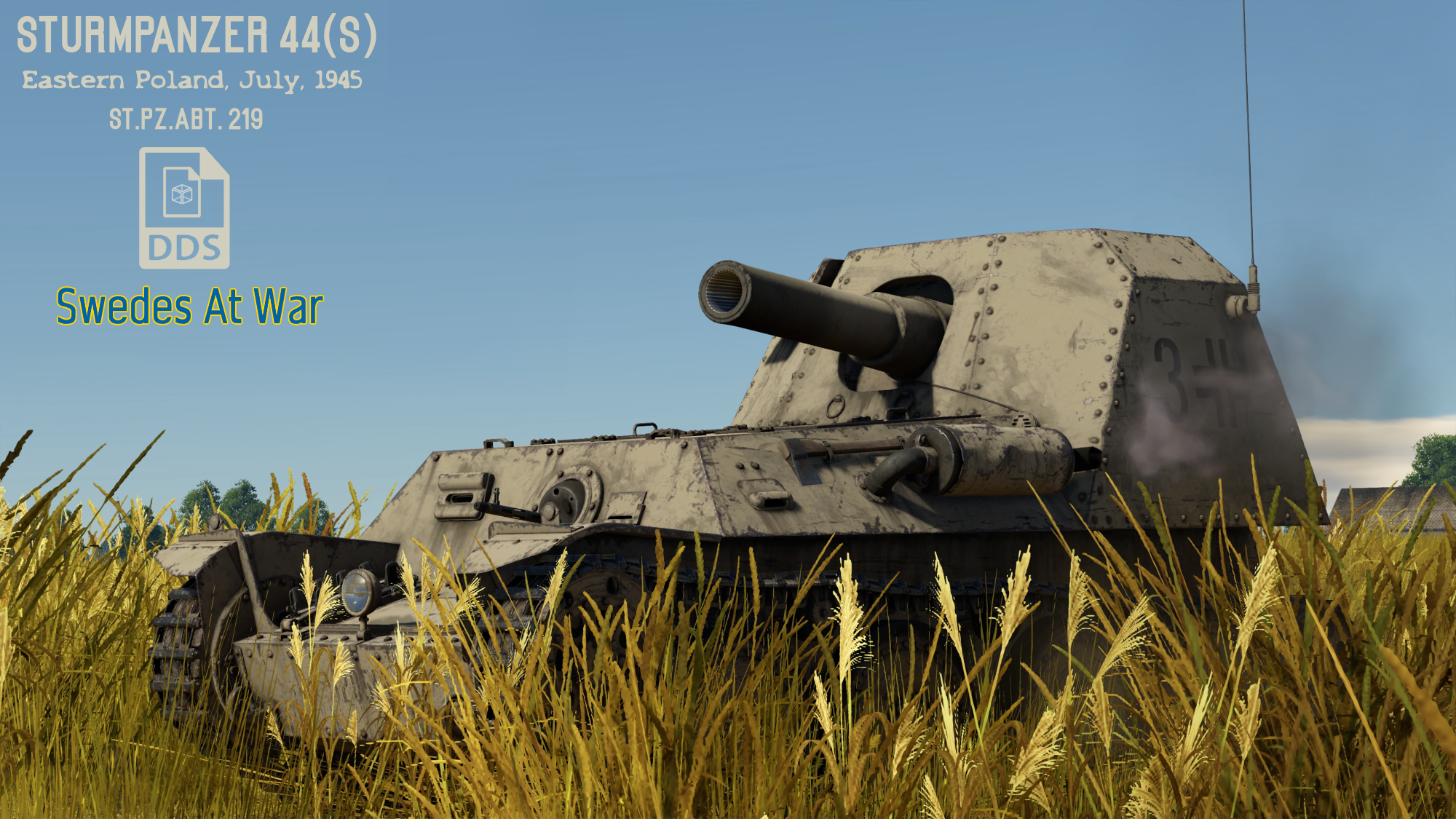
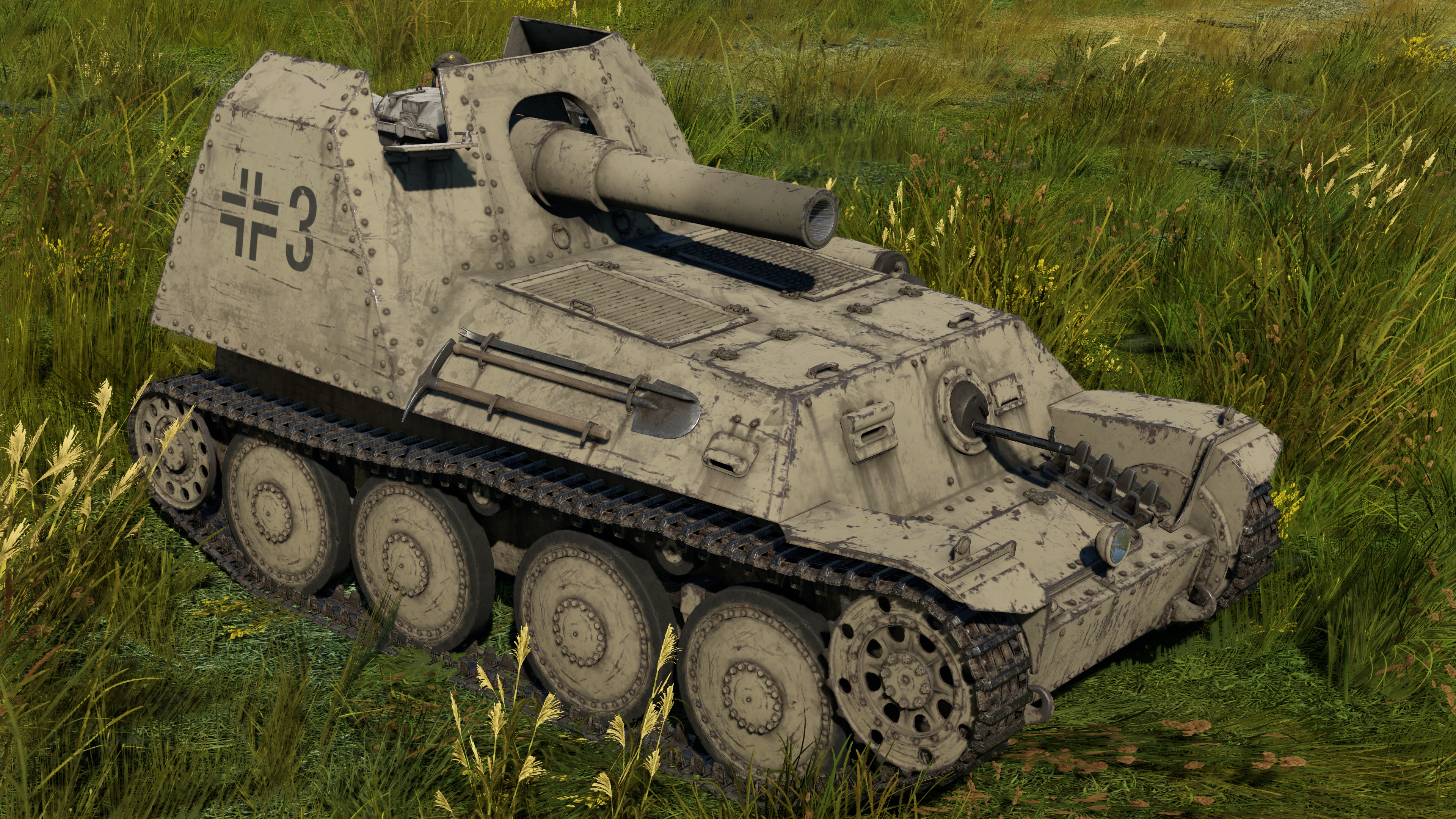
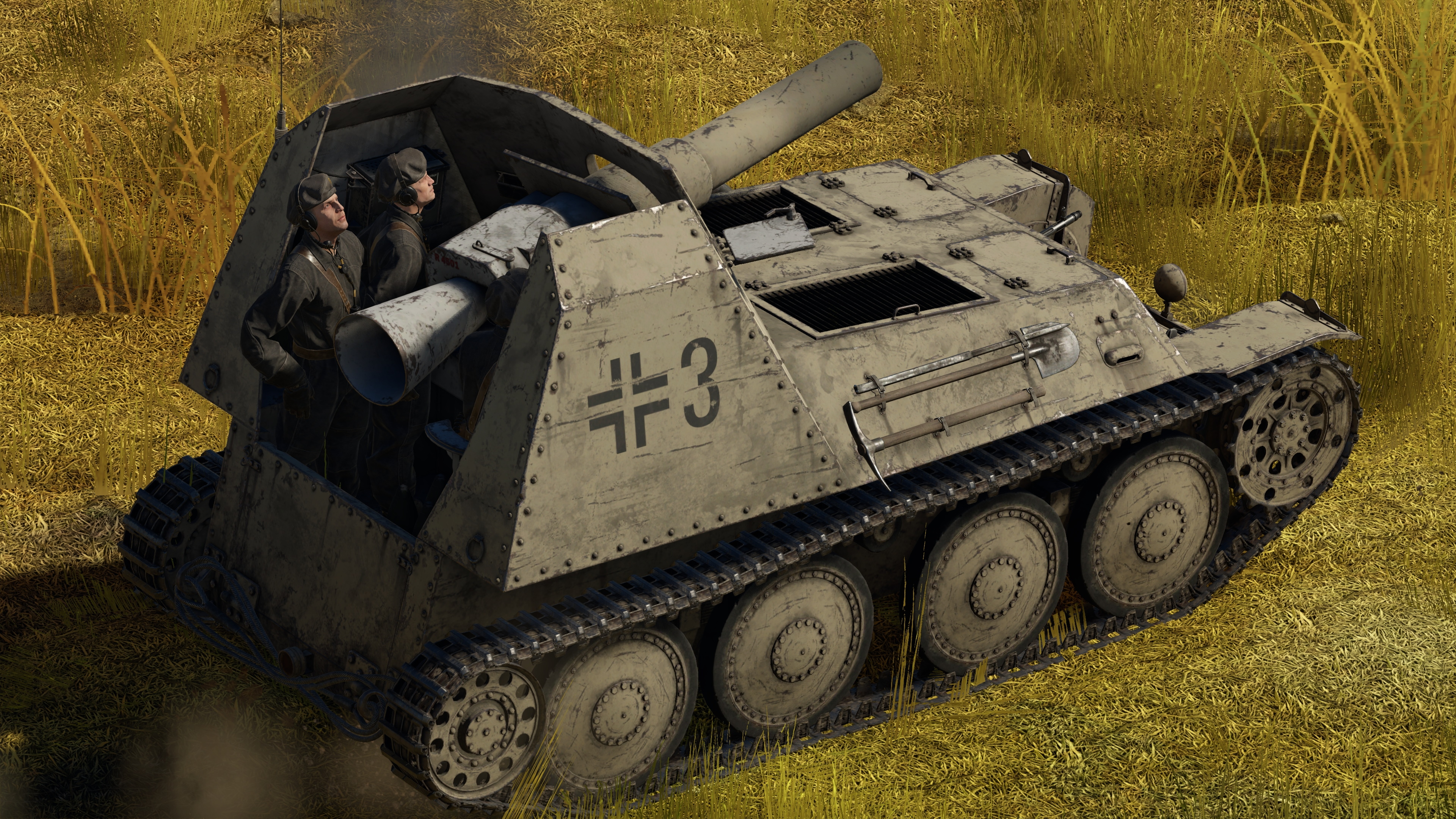
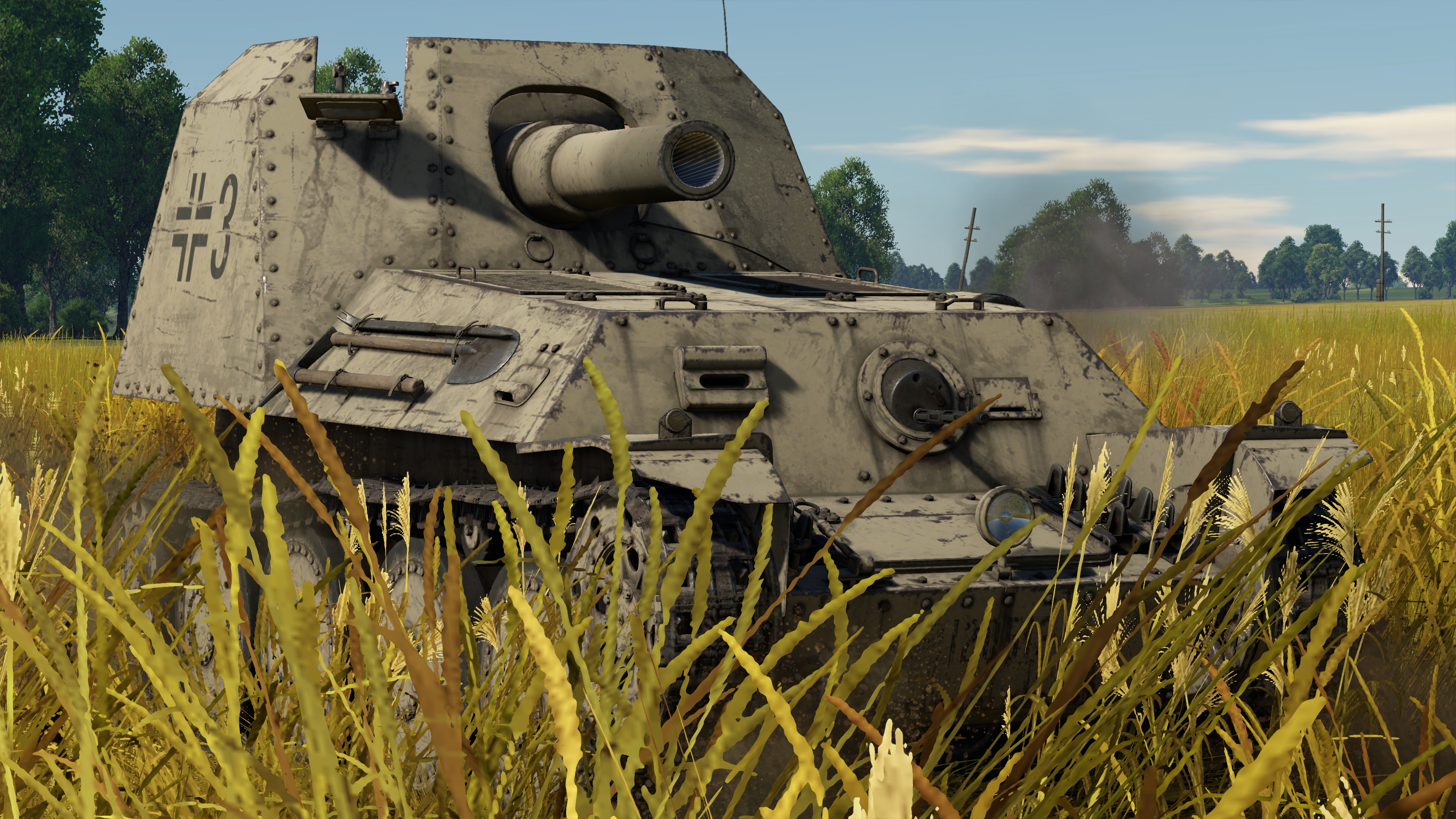
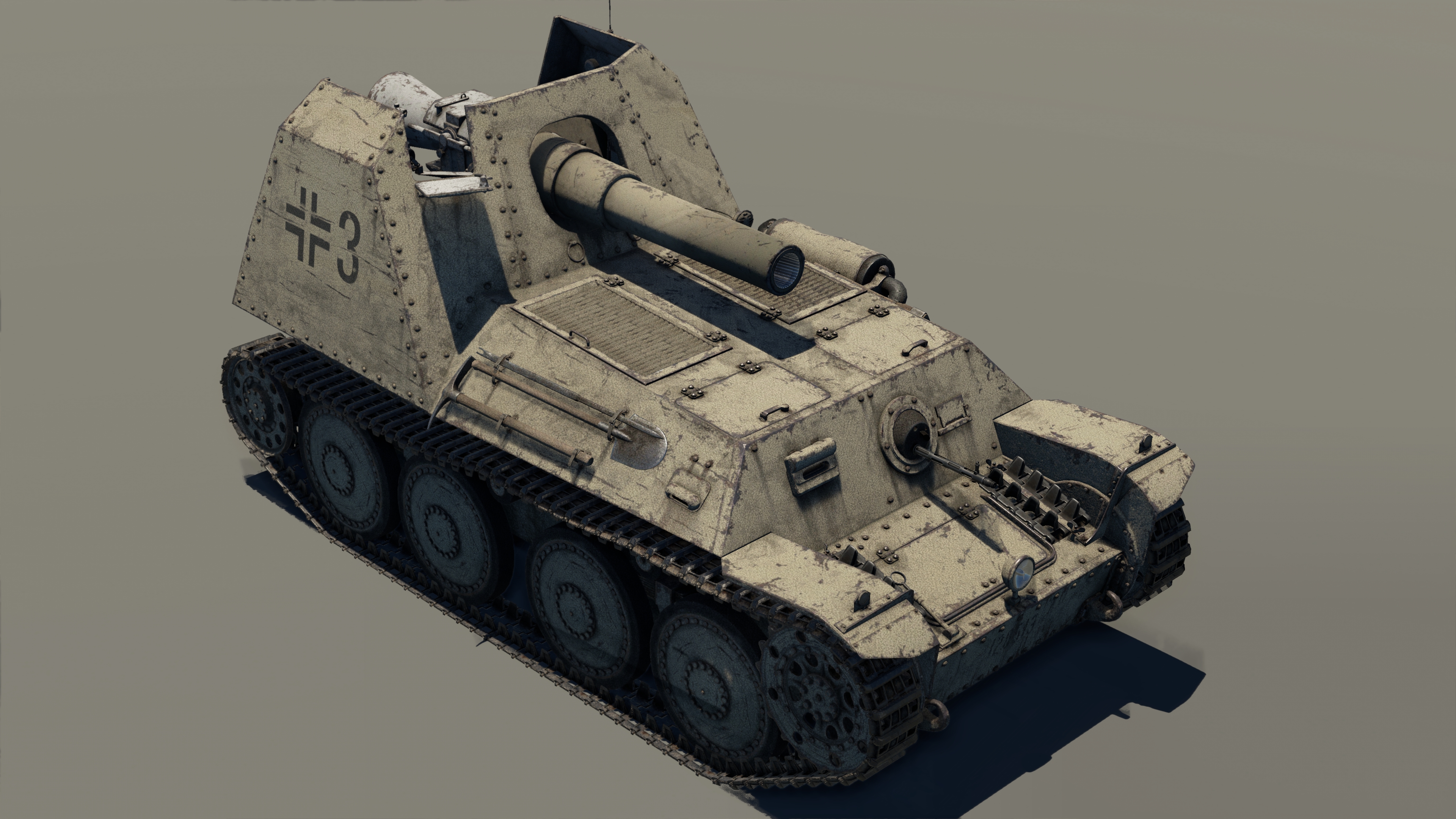
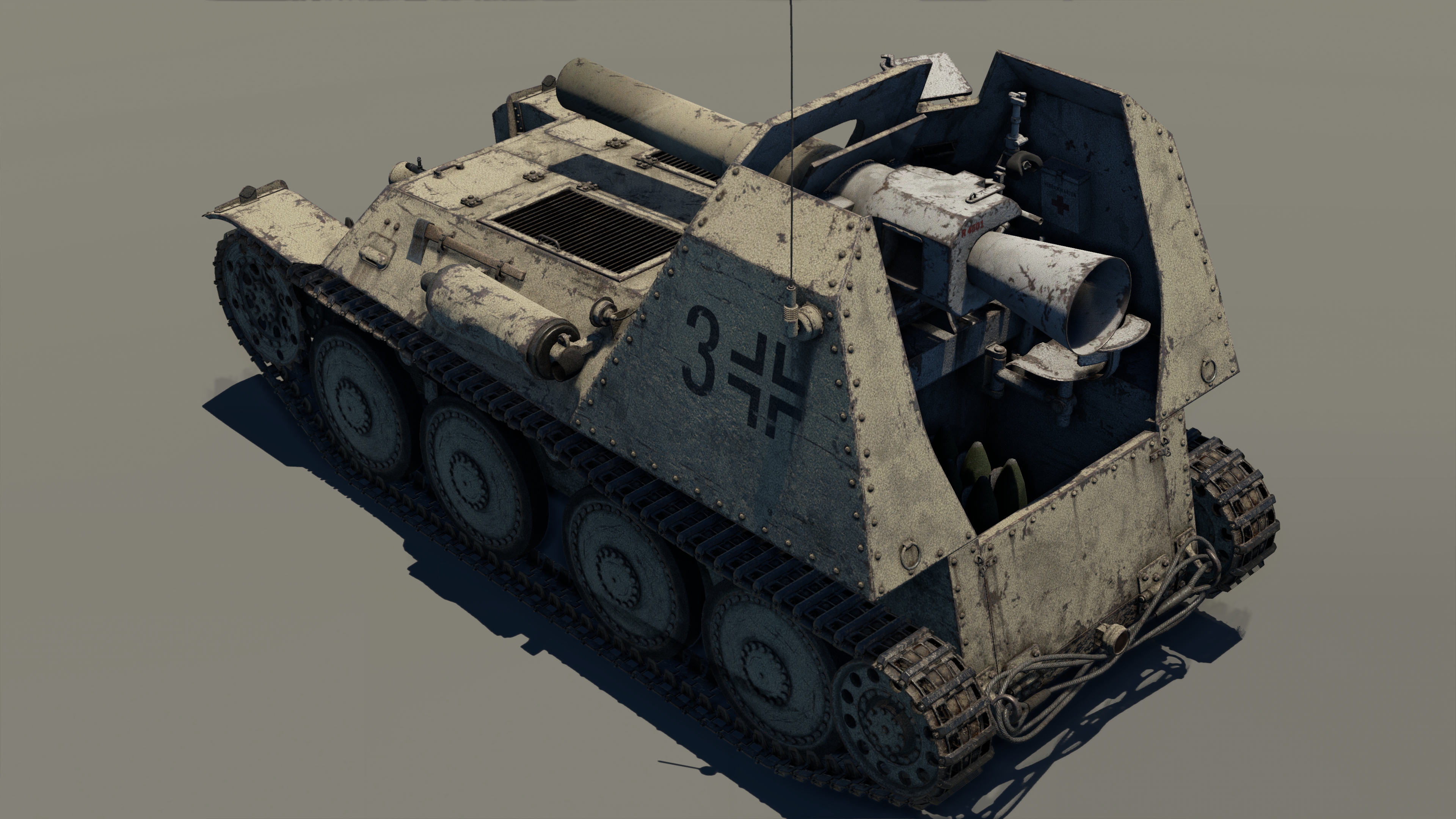
Eastern Poland, July 1945. The German army is making a rapid sweep across eastern and western Europe, throwing the allied armies into turmoil. Only two months have passed since the German break out of Berlin and things seem to be looking up for the battered up Axis powers. Despite the success in Berlin and the liberation of the Courland pocket, the German army is still not up to full strength, and the high command began looking to other nations to solve this problem. The Germans looked everywhere for new suitable tanks for the German army but only one new ally had vehicles that met the Germans' demanding specifications, that new ally was Sweden. Sweden had been pro-Allied for the majority of the war, but in late 1944, the Swedish National Socialist People's Party under the leadership of pro-Nazi, Konrad Hallgren, began inciting an uprising in Sweden. However, despite the party's best efforts, it would not be until April, 1945, that Sweden would officially become a Nazi satellite state following a long and violent coup. Following this, the new fascist state of Sweden officially offered Germany the opportunity to the solve its issue of military strength. The Germans jumped on the opportunity to bolster their military's strength and Sweden began showing off the vehicles it had been working on. Despite the many vehicles showed to the Germans, only a few met the Germans demanding specifications. Of the handful of vehicles the Germans had picked out, one was vehicle of particularly high interest, the Stormartilleripjäs fm/43-44 “Trätoffelvagnen”, which the Swedes had not accepted for use by their own military. The Germans offered to purchase 10 fm/43-44s, which were to be assembled in Sweden and then brought back to Germany for evaluation. Despite this plan sounding relatively simple, the 1,093 mile long journey was a grueling route, as the Allies bad been still conducting small but effective raiding operations against shipping en route to Germany. The shipments from Sweden were no exception, as one of the two vessels carrying 4 of the 10 vehicles purchased was sunk with all hands lost. Things looked bleak as the last ship came under Spitfire attack near Denmark. The attack didn't last long as the vessel had sent a distress signal to the Luftwaffe who scrambled a small number of Ta-152s which were able to route the Spitfires before the vessel could be sunk. However, despite the Luftwaffe's best efforts, 2 fm 43/44s were damaged beyond repair and 1 more was lightly damaged. After all this, the shipment finally reached Bremen and the vehicles were quickly rushed to the Kummersdorf proving grounds. Finally, testing began and immediately the Germans were impressed with the performance of the 15cm fsthaub m/02 recoiless rifle, which displayed excellent firepower and stability. The chassis also displayed excellent performance as it was based on the proven and reliable LT vz. 38. The Germans were greatly impressed with the vehicles performance and their only major complaint was the open fighting compartment (which would be resolved on the late 1940s model). Following testing, the German army officially adopted the fm 43/44 under the new designation of Sturmpanzer 44(s) and placed an order for 200 additional vehicles to be produced. However, with the introduction of various new Sturmpanzers, such as the Sturmpanther, a new unit had to be created to specialize in heavy Sturmpanzers as the last unit Sturmpanzer Abteilung, 218, had dissolved in late 1944, following heavy losses in the East. The new unit, Sturmpanzer Abteilung 219, was destined to fulfill the new need for a designated Sturmpanzer unit. The unit officially became active on June 23, 1945. The unit would see heavy fighting in the push to route the Soviets out of Europe. Among the various vehicles part of the newly formed St.Pz.Abt. 219, was a Sturmpanzer 44(s) known simply as "#3". #3 had been part of the initial test batch of Sturmpanzer 44s delivered to Kummersdorf over a month before. Interestingly #3 had a past history before it entered German service, as it had been the same vehicle tested by the Swedes in August, 1944. Following its purchase by the Germans, the vehicle was repainted into RAL 7028 DGIII, complete with a RAL 9003 interior. Oddly, #3 and all of the other test batch Sturmpanzer 44s never received any kind of unique color scheme, as practically the moment testing was completed they were rushed to front. #3 would see heavy combat in the push through Poland, which would explain the heavily worn paint job in the surviving photos of the vehicle. On July 14th, #3 officially achieved stardom when it had been separated from its unit and accidently advanced into enemy territory. #3 soon came across elements of the battered 1st Polish Army. At this moment, the tank's commander, Leutnant Rainer Schau made the decision to catch the Polish off guard and attack. #3 began firing on the unit's few in-tact vehicles left, causing heavy damage with the large high explosive mass of the Swedish 15cm shells. In a matter of minutes 5 T-34s were completely destroyed and 3 more were heavily damaged. The remaining Polish tanks were left in disarray and #3 withdrew after disabling several more. 2 days later, #3 found its way back to its unit and the incredible story made headlines. A week later, the crew of #3 was recalled to Germany and was personally congratulated by Hitler, with Rainer Schau receiving the Knight's Cross of the Iron Cross. #3 would return to action, and would serve until the fall of Moscow, after which the vehicle was retired due to immense wear and tear it had experienced in its career. Following this, the vehicle was shipped back to Germany and put into storage for possible display after the war. After the end of the war, the vehicle sat in storage until the Greater Nazi Reich armor museum was completed in 1967, where it was moved to following completion. Interestingly, #3 is the last surviving, first generation Sturmpanzer 44(s) in "original" condition. Other vehicles were converted into the ausf. D variant with a closed fighting compartment or their guns were removed and put on heavy wheeled carriages for Gebirgsjäger use (under the designation of Schweregeschütz 44(s)). As for #3, today it is still at the Greater Nazi Reich armor museum, where it can been seen in running condition and for a small fee, you can even ride in the vehicle during its many excursions.
Features
- Custom white interior
- Custom markings
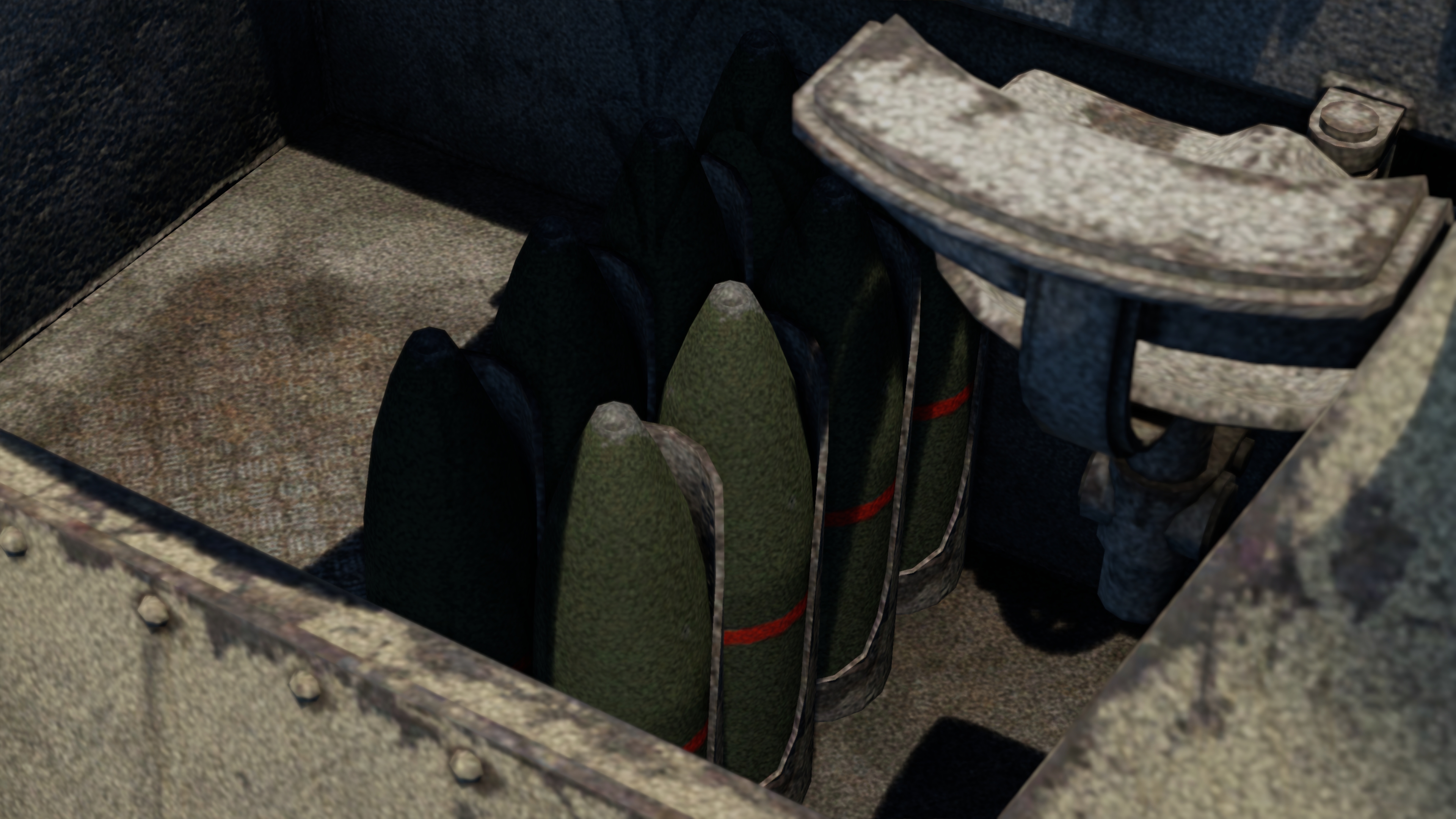
- Custom green HE shells
- Custom fire extinguisher labeling
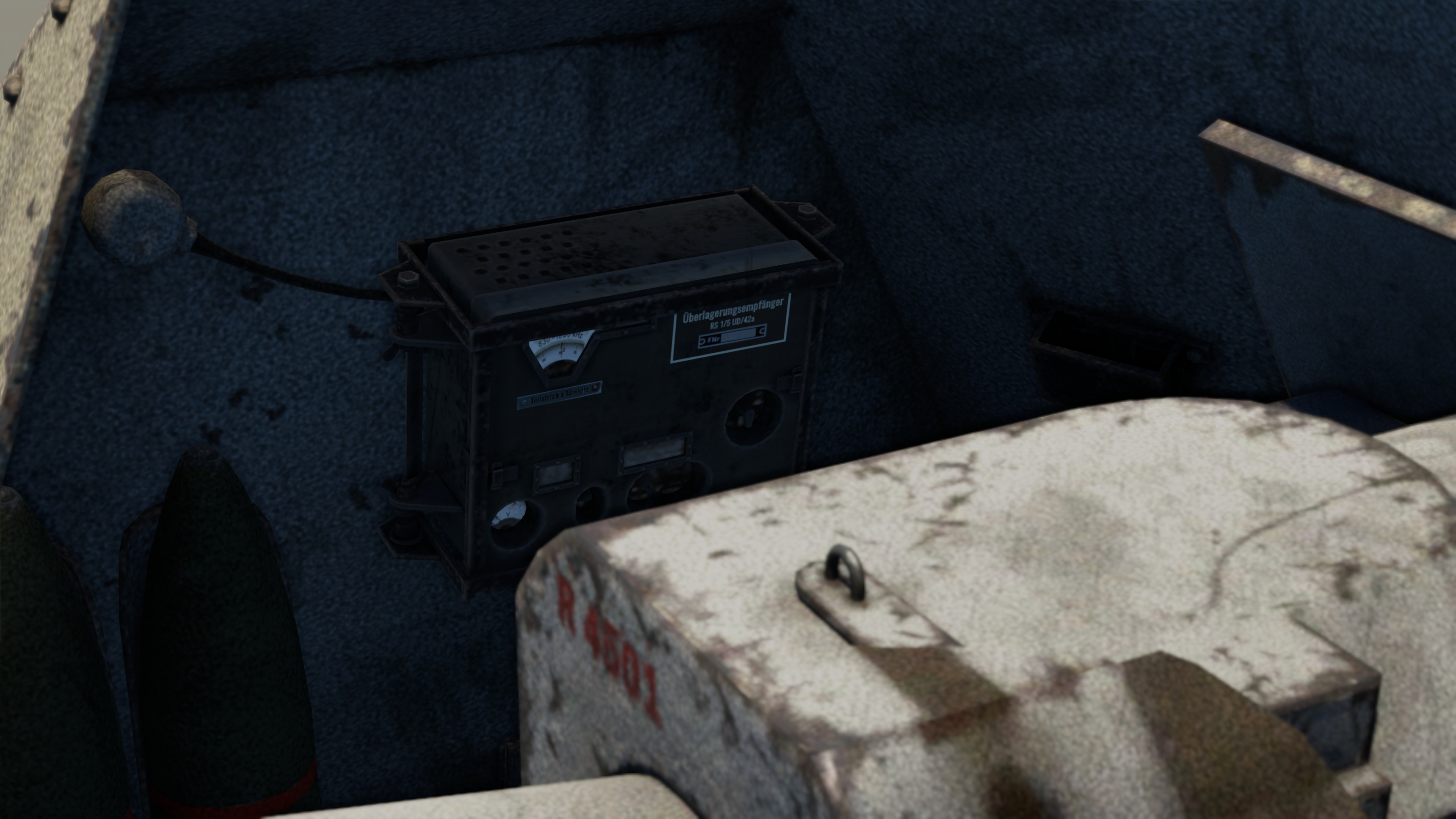
- Custom German radio texture
- Community Ready! (because it is sure as heck ain't marketplace material!)
Misc. I know there is going to be that one person who will say "tHis camo iz UgLy lAZY and b0ring, u sUCk", to whoever you are, I have to say, boring color schemes do exist in WW2. Its not an excuse for laziness it is just pure fact.
NOTE! I don't do requests anymore as I simply no longer have the mental capacity for it...
Hashtags
#Blitzkrieg1946 #SwedesAtWar #Panzerfaust150 #fm_43_44 #stormpjas_fm_43_44 #fictional #german